
Blog
Discover our latest articles and blogs

Visa and Mastercard Fee Changes in 2026: What Merchants Pay
Visa and Mastercard changed network fees in 2026 and a swipe fee settlement is moving through court. See what changed, who pays, and how to check your statement.

Transparent Payment Processing: What to Demand and How to Verify It
Transparent payment processing means itemized costs, no surprise contract terms and statements you can check. See what to ask for and how to verify it.

Cross-Border Processing Fees: What They Are and How to Control Them
Learn what cross-border processing fees are, why U.S. merchants see them, how the Durbin Amendment fits in, and how to find and reduce them on your statement.

Refund Processing Fees: What Merchants Really Pay
Do you pay fees when you refund a card sale? Learn how refund fees work, who keeps the original fees, and how to find and estimate your refund costs.
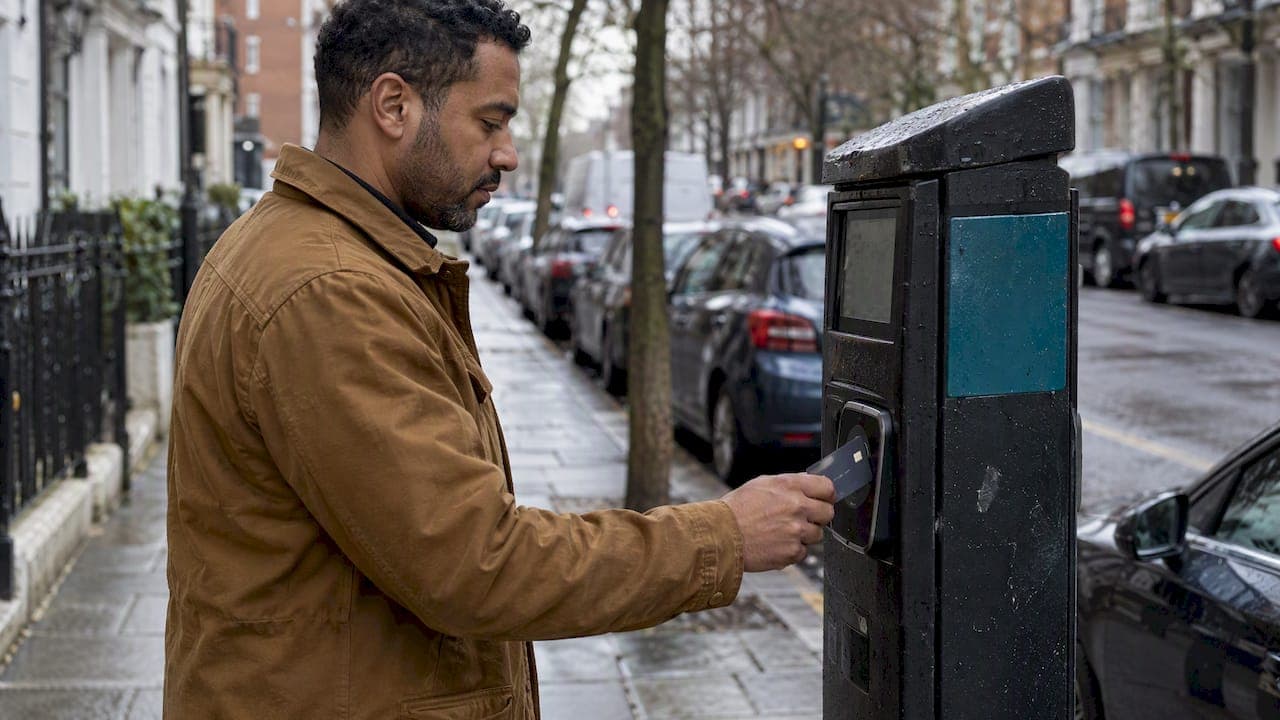
Small Ticket Interchange: Rates, Rules and Qualification
Small ticket interchange explained: current Visa and Mastercard rates, the $5 threshold, qualification rules, and how merchants keep low-dollar card sales profitable.

Chargeback Fees: What They Cost and How to Reduce Them
Chargeback fees run $20 to $100 per dispute, but the full cost is higher. See what merchants pay, who bears it, and how to cut it.
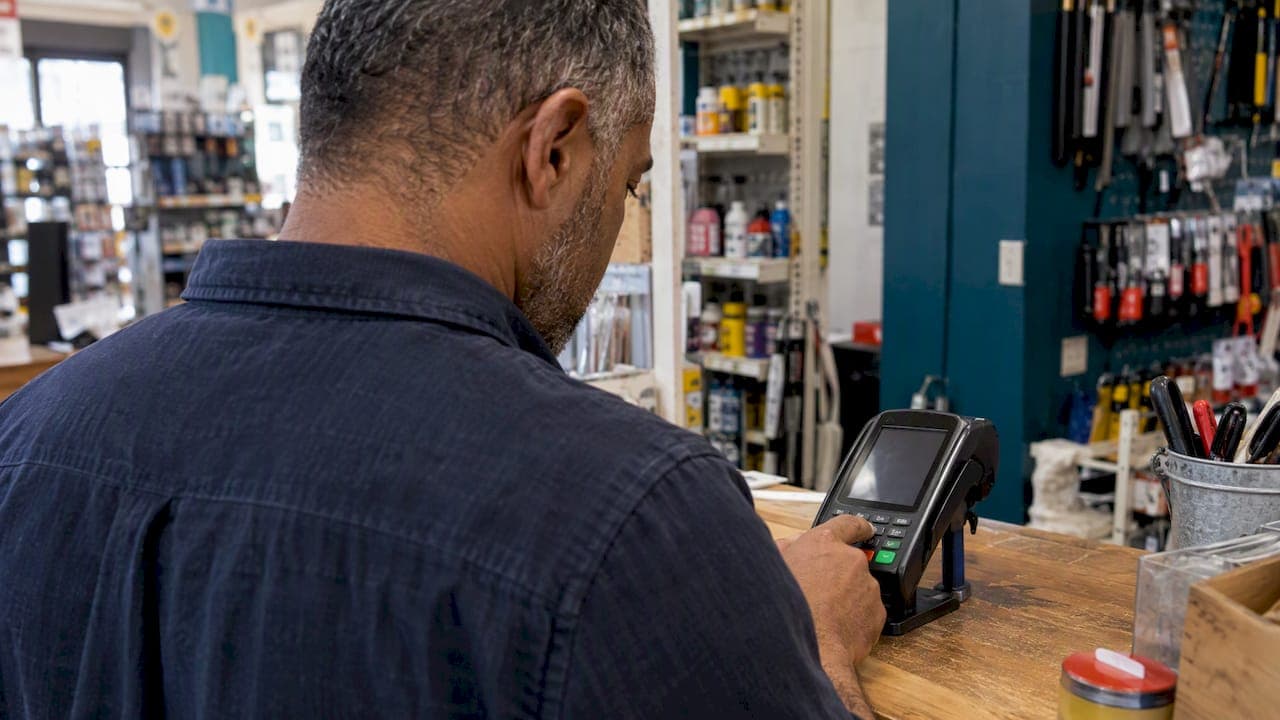
PIN Debit vs. Signature Debit: Costs, Speed and Routing
PIN debit vs. signature debit for U.S. merchants: how each is routed, settled and priced, why keyed rates differ, and how to pick what costs less.

Digital Wallet Fees for Merchants: What You Really Pay
Apple Pay and Google Pay add no wallet fee for merchants, but card processing costs still apply. See where wallet costs come from and how to lower them.

Rolling Reserve Explained: How It Works and How to Reduce It
A rolling reserve holds a slice of each day's card sales for a set period. See the math, why processors use it, and how merchants reduce or remove it.