

Chargeback representment is your formal rebuttal to a disputed transaction: you submit a reason-code–mapped evidence packet through your acquirer to the issuing bank, within the card network's deadline, to recover funds already reversed. The moment you receive a chargeback notification, three actions matter above everything else.
Take these steps immediately:
- Identify the reason code. Every chargeback carries a network-assigned code (Visa, Mastercard, Amex, or Discover) that dictates exactly what evidence the issuer will accept.
- Preserve all relevant evidence. Pull transaction records, delivery confirmations, customer communications, and system logs before they age out or get overwritten.
- Notify your acquirer or processor. Confirm the response deadline they've set, which is often shorter than the card network's own window.
Fight vs. accept — a quick decision checklist:
- Transaction value exceeds your acquirer's per-dispute fee by a meaningful margin? Fight.
- You have direct evidence that maps to the assigned reason code? Fight.
- The dispute stems from friendly fraud or a processing error (not a legitimate complaint)? Fight.
- The transaction is below $25, or you have no supporting documentation? Accept and move on.
Industry reporting indicates merchants who re-present disputes win a substantial minority of the cases they contest, though net recovery rates run lower once fees and staff time are factored in. That figure sets a realistic baseline: representment is worth pursuing selectively, not reflexively.
Pro Tip: Set a calendar alert the same day you receive a chargeback notice. Deadlines can be as short as seven calendar days from your acquirer's internal cutoff, and a missed window means automatic forfeiture with no appeal.
Key Takeaways
Chargeback representment succeeds when merchants match evidence precisely to the assigned reason code, submit within the acquirer's deadline, and build systems that make evidence retrieval fast and reliable.
| Point | Details |
|---|---|
| Identify the reason code first | The assigned code determines what evidence is valid; mismatched evidence is dismissed regardless of quality. |
| Win rates are moderate for re-presented disputes | Net recovery is lower after fees; fight selectively using the expected-recovery formula. |
| Acquirer deadlines beat network windows | Internal acquirer cutoffs are often 7–14 days; treat those as your hard deadline, not the network's outer limit. |
| Arbitration is a last resort | Filing fees and binding finality make arbitration practical only for high-value, well-documented disputes. |
| Archive evidence at the point of sale | Timestamped delivery, IP/session, and authentication data cannot be reconstructed after a dispute arrives. |
Table of Contents
- What chargebacks are and why reason codes control everything
- The step-by-step representment process from notice to submission
- What evidence actually wins by dispute type
- Deadlines, file formats, and network rules you must follow
- What happens after you submit and when to escalate
- How to decide whether to fight: win rates and the recovery math
- Building an operational workflow that scales with dispute volume
- What the arbitration stage actually requires
- How card network variations affect your representment strategy
- A practitioner's note on discipline and timing
- Sources
- FAQ
What chargebacks are and why reason codes control everything
A chargeback is a provisional transaction reversal initiated by the cardholder's issuing bank. The issuer credits the cardholder, debits the acquirer, and the acquirer passes the debit to you. You don't get a phone call; you get a notification with a reason code attached.

That reason code is the entire case. It tells the issuer's reviewer what the cardholder claimed, and it tells you what evidence is required to refute it. Submit evidence that doesn't address the code, and the reviewer dismisses it regardless of how compelling it looks. Braintree's developer documentation notes that reason-code lists and deadlines vary by region and network, so never assume a code means the same thing across Visa and Mastercard.
Common reason-code categories and the primary evidence that answers each:
| Reason-Code Category | What the Cardholder Claims | Primary Evidence Required |
|---|---|---|
| Fraud / Unauthorized | "I didn't make this purchase" | AVS/CVV match, device/IP logs, 3DS authentication |
| Non-receipt of goods | "Item never arrived" | Tracking number, carrier proof of delivery, signature |
| Product not as described | "Item was wrong or defective" | Product photos, description copy, return policy |
| Cancelled recurring billing | "I cancelled; you kept charging" | Cancellation confirmation, terms acceptance, refund record |
| Duplicate processing | "I was charged twice" | Transaction logs showing two distinct authorizations |
| Authorization issues | "Transaction wasn't authorized" | Authorization approval code, cardholder agreement |
The ChargebackKit reason-code database maps every major network code to plain-English meanings, evidence suggestions, and typical response windows, making it a practical first stop when triaging a new dispute.
The step-by-step representment process from notice to submission
- Receive and parse the notification. Record the transaction ID, dispute amount, reason code, and the acquirer's response deadline. Do this within hours, not days.
- Apply the fight-or-accept formula. Multiply the transaction value by your estimated win probability for that code category, then subtract the acquirer's dispute fee and your internal labor cost. If the result is positive, represent.
- Triage your evidence. Pull the documents that directly address the reason code first. A fraud code needs authentication data; a non-receipt code needs carrier tracking. Don't gather everything — gather the right things.
- Draft the rebuttal letter. Structure it with: case ID and transaction reference, the assigned reason code stated explicitly, a brief factual narrative (three to five sentences), and a numbered list that maps each evidence item to a specific element of the code. Keep it under two pages.
- Compile the submission package. Combine the rebuttal letter and evidence into a single PDF or the file format your acquirer specifies. Label every document clearly (e.g., "Exhibit A — Carrier Tracking Confirmation").
- Submit through your acquirer or processor. Most acquirers have a portal or secure upload; some still accept email. Confirm receipt and save the submission timestamp.
- Track the case. Log the submission date, expected decision window, and escalation path if the issuer maintains the chargeback.
Rebuttal letter outline (adapt to your case):
- Header: Merchant name, DBA, merchant ID, acquirer name, case/dispute reference number
- Opening line: "We are re-presenting chargeback [Case ID] assigned reason code [Code] and respectfully request reversal based on the following evidence."
- Factual narrative: Two to four sentences describing the original transaction and why the dispute is invalid
- Evidence index: Numbered list — "Exhibit A: [Document name] — demonstrates [specific element of the reason code]"
- Closing: Merchant signature, date, contact information
Pro Tip: Reviewers at issuing banks are time-limited. A concise rebuttal that maps evidence directly to the reason code outperforms a lengthy narrative every time. Chargebacks911's process guidance confirms that clear mapping, not volume of documents, drives reviewer comprehension and win probability.
What evidence actually wins by dispute type
Evidence quality determines outcomes more than submission speed. Here's what works by category.
Fraud / Unauthorized transactions:
- AVS (Address Verification System) and CVV match confirmation
- 3D Secure authentication record (Visa Secure / Mastercard Identity Check)
- Device fingerprint, IP address, and session log at time of purchase
- Geolocation data if the billing and shipping addresses match the device location
- Prior purchase history from the same card and device
Non-receipt of goods:
- Carrier tracking number with delivery confirmation timestamp
- Signed proof of delivery or signature capture
- Shipping label and carrier invoice
- Customer communication acknowledging shipment
Product not as described:
- Side-by-side comparison of your product listing and what was shipped
- Photos of the item as packaged and sent
- Return policy displayed at checkout (screenshot with timestamp)
- Any customer service exchange where the issue was addressed
Cancelled recurring / subscription billing:
- Timestamped cancellation request and your confirmation response
- Terms of service accepted at signup (checkbox log with IP and timestamp)
- Refund record if one was issued
- Billing history showing charges the cardholder previously accepted
Duplicate processing:
- Transaction logs showing two separate authorization codes for two distinct purchases
- Order records confirming two separate orders were placed
Authorization problems:
- Authorization approval code from the card network
- Signed cardholder agreement or receipt
Visa's representment guidance states that evidence must directly refute the specific reason code and recommends merchants organize data systems so the right evidence is available quickly. That's not a suggestion — it's the standard reviewers apply.
File format and size rules:
- Visa generally accepts PDF submissions; check your acquirer's portal for size limits (commonly 5–10 MB per package).
- Mastercard's chargeback guide documents specific message types for acquirer representment; confirm your acquirer's upload specs before submission.
- Label every file with the dispute reference number and exhibit letter. Unlabeled files get misrouted.
Pro Tip: Capture evidence at the time of sale, not at the time of dispute. Visa's dispute management guidelines confirm that missing documentation in the initial response commonly results in automatic loss. Timestamped delivery events, device/IP data, and signed acceptance records are nearly impossible to reconstruct after the fact.
Deadlines, file formats, and network rules you must follow
Response windows vary by network and reason code. Visa's standard merchant response window runs up to 30 calendar days from the chargeback date, but many acquirers set internal deadlines of 7–14 days to give themselves processing time. Mastercard windows follow similar patterns, though specific codes carry shorter windows. Always work from your acquirer's deadline, not the network's outer limit.
Key timeline rules:
- Confirm your acquirer's internal deadline on day one — it's almost always earlier than the network window.
- Treat the acquirer deadline as your hard cutoff. Missing it forfeits your right to represent, regardless of how strong your evidence is.
- Braintree's documentation warns that deadlines can vary by region and change over time; verify current windows directly with your acquirer or the network's current rulebook.
- For Visa disputes, the Visa Core Rules and Visa Product and Service Rules are the authoritative source.
- For Mastercard, the Mastercard Chargeback Guide is the definitive reference.
Formatting requirements:
- Submit as a single, merged PDF unless your acquirer specifies otherwise.
- File names must include the dispute reference number (e.g., "DISP-20260312-Exhibit-A.pdf").
- Avoid password-protected files — they cause automatic rejection at many acquirers.
- Keep total package size under your acquirer's upload limit; compress images if needed without sacrificing legibility.
Pro Tip: Build a digital-first evidence archive now, before disputes arrive. Store signed receipts, tracking confirmations, IP/session logs, and delivery metadata in a searchable system tagged by transaction ID. Reconstructing these records under a 7–14 day window is often impossible.
What happens after you submit and when to escalate
Three outcomes follow a representment submission.
- Merchant wins. The issuer reverses the chargeback, and the funds are returned to your account. Case closed.
- Issuer upholds the chargeback. The original reversal stands. You can accept this result or, depending on the network and reason code, escalate.
- Case escalates to second-cycle (pre-arbitration or arbitration). The issuer or cardholder challenges your representment, triggering a second round.
The escalation path:
- Pre-arbitration: The issuing bank re-files the dispute after your representment. You can accept the second chargeback or escalate to formal arbitration. Pre-arb is common on Visa disputes; Mastercard uses a similar second-presentment cycle.
- Arbitration: The card network (Visa or Mastercard) acts as the final adjudicator. Both sides pay filing fees — Visa's arbitration fee runs into the hundreds of dollars per case. The network's decision is binding and final.
Operational guidance on escalation:
- Escalate to arbitration only when the disputed amount materially exceeds the combined filing fees and staff time.
- Arbitration requires a stronger evidentiary record than representment; prepare to submit additional documentation the network requests.
- Track your pre-arb win rate separately from your first-cycle win rate — the two populations behave differently.
Pro Tip: Most merchants should treat arbitration as a last resort for high-value disputes with airtight evidence. The fees and time commitment make it economically irrational for disputes under $150–$200 unless you're establishing a precedent or dealing with a repeat fraudster.
How to decide whether to fight: win rates and the recovery math
Industry data from Chargebacks911 shows merchants win roughly 40–50% of disputes they re-present. Net recovery rates are lower once acquirer fees, platform costs, and staff time are subtracted. That means a selective, evidence-driven approach outperforms a blanket "fight everything" policy.
The decision formula:
- Expected recovery = Transaction value × estimated win probability for the reason code
- Total cost to fight = Acquirer dispute fee + staff time (hours × hourly rate) + any platform fees
- Net ROI = Expected recovery minus total cost to fight
If net ROI is positive, represent. If it's negative or marginal, accept.
Worked example: A $180 transaction disputed under a non-receipt code. Expected recovery: $81. Your acquirer charges a $25 dispute fee; internal labor runs $20. Net ROI: $36. Worth fighting.
Direct costs to account for:
- Acquirer or processor dispute fee (typically $15–$35 per case)
- Staff time for evidence gathering and rebuttal drafting
- Platform or chargeback-management tool fees
Indirect costs:
- Chargeback ratio impact — too many disputes can trigger card-network monitoring programs
- Accounts receivable disruption during the dispute cycle
- Reputational risk with your acquirer if your ratio climbs
When accepting is the rational choice:
- Transaction value is below your all-in cost to fight
- No direct evidence maps to the assigned reason code
- The cardholder's complaint is legitimate (a real product defect or non-delivery)
- The dispute is from a customer you want to retain
Understanding how payment allocation works at the card level can also help you spot duplicate or misapplied charges before they become disputes.
Building an operational workflow that scales with dispute volume
Winning individual disputes matters. Building a system that wins consistently at scale matters more.
Design a digital-first evidence archive:
- Capture at the point of sale: transaction ID, timestamp, IP address, device fingerprint, AVS/CVV result, and 3DS authentication outcome.
- For physical goods: log the carrier, tracking number, and delivery confirmation automatically.
- For digital goods and SaaS: retain session logs, login events, and feature-usage records tied to the transaction ID.
- Store everything in a system searchable by transaction ID so retrieval takes minutes, not hours.
Automate reason-code mapping:
- When a chargeback arrives, your system should auto-tag the reason code and surface the pre-labeled evidence items from your archive.
- Use document naming conventions that match your rebuttal template: "TXN-[ID]-Exhibit-A-TrackingConfirmation.pdf."
- Automating representment workflows — from code mapping to rebuttal generation — materially reduces human error and late submissions as dispute volume grows.
Operational checklist for your payments team:
- Assign one owner for dispute monitoring and SLA compliance.
- Set an internal SLA of 48 hours from notification to evidence triage.
- Cross-functional responsibilities: support team pulls customer communications; fulfillment pulls shipping records; payments team drafts the rebuttal.
- Review your chargeback ratio monthly and flag any reason-code category trending upward.
Paysec's real-time reporting and analytics give merchants transaction-level exports and dispute tracking in one place, so the evidence your team needs for representment is already organized and ready to pull. Pair that with Paysec's chargeback protection services to bring submission support and workflow automation into a single platform.
Pro Tip: Use a standardized rebuttal template with placeholder fields (case ID, reason code, exhibit list) so your team fills in facts rather than drafting from scratch each time. Consistency reduces errors and speeds submission.
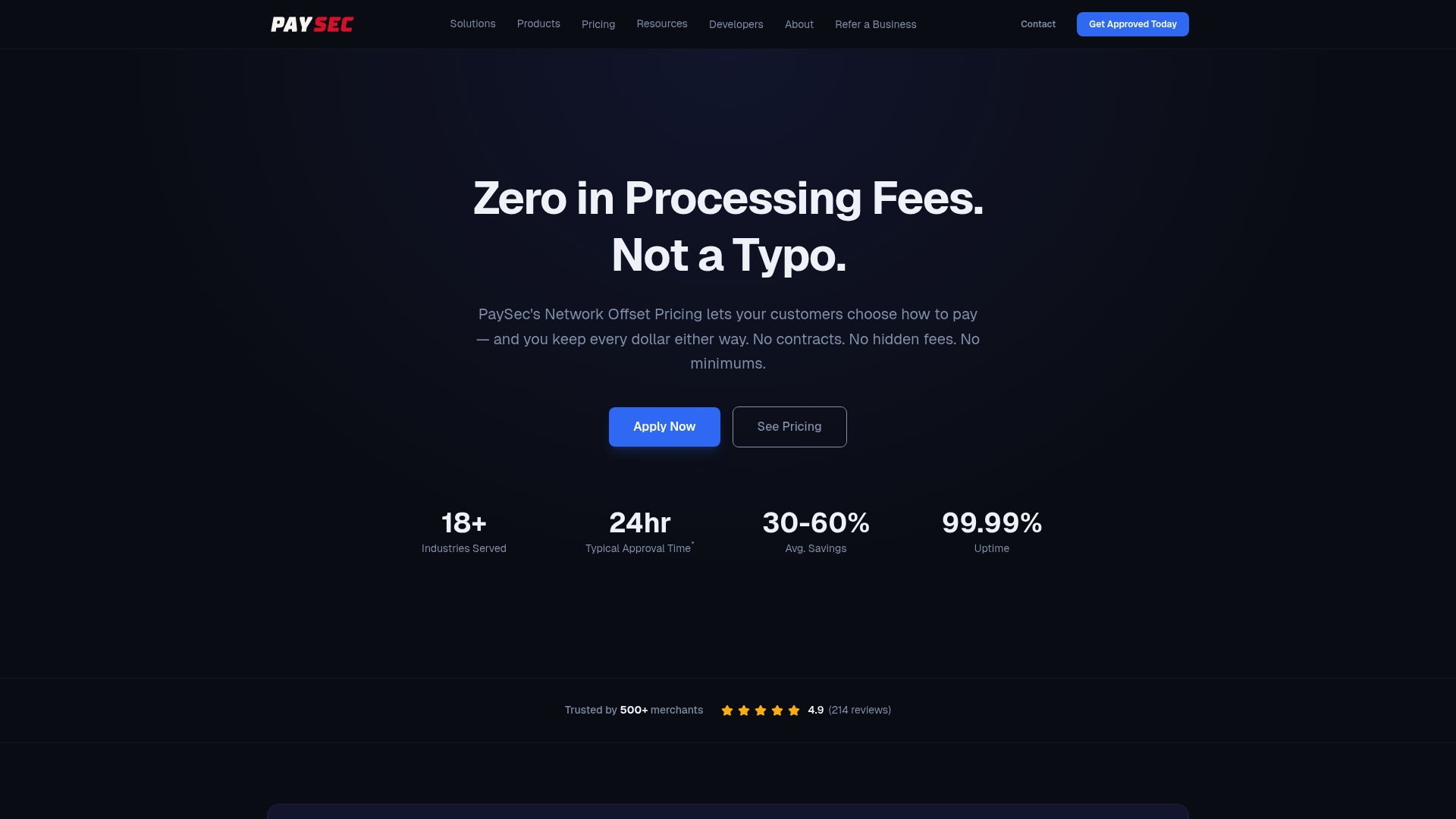
Ready to reduce processing costs while managing disputes more effectively? Paysec's Network Offset Pricing helps merchants retain more revenue on every transaction, giving you more margin to absorb dispute costs while your representment workflows improve.
What the arbitration stage actually requires
Arbitration is the card network's binding resolution process. It activates when both the merchant and the issuer have exhausted the representment and pre-arbitration cycles without agreement.
What triggers arbitration:
- Merchant re-presents and the issuer files a second chargeback (pre-arb).
- Merchant challenges the pre-arb by escalating to the network.
- The network assigns a case number and requests a complete evidentiary record from both sides.
What you must submit at arbitration:
- The complete original representment package (rebuttal letter plus all exhibits).
- Any additional evidence that emerged after the first submission — new carrier updates, additional authentication logs, or customer communications.
- A written argument explaining why the network's rules support your position, citing the specific rule section where possible.
- Payment of the network's arbitration filing fee (confirm the current amount with your acquirer, as fees are updated periodically).
What the network reviews:
- Whether your evidence directly refutes the reason code under the network's own rules.
- Whether proper procedures were followed at each prior stage.
- Whether the issuer's second chargeback was filed within the allowed window.
The network's decision is final. There is no further appeal within the card-network system. If you lose at arbitration, the chargeback stands and you absorb the filing fee as well. That cost structure is why arbitration is reserved for high-value, well-documented disputes.
How card network variations affect your representment strategy
Visa and Mastercard share the same general representment concept but differ in ways that affect your evidence strategy and timing.
Visa-specific considerations:
- Visa uses a reason-code system under its Visa Dispute Resolution (VDR) framework. Codes are grouped into categories: fraud, authorization, processing errors, and consumer disputes.
- Visa's Compelling Evidence 3.0 (CE3.0) rules, introduced in 2023, allow merchants to counter fraud disputes by proving the cardholder made two prior undisputed transactions using the same device and IP address. This is a significant tool for eCommerce merchants with strong session-log retention.
- Visa's pre-arbitration process gives the issuer 30 days to respond to your representment before the case can escalate.
Mastercard-specific considerations:
- Mastercard's chargeback cycles use specific message types documented in the Mastercard Chargeback Guide. Acquirer representment follows a defined message format that your acquirer must use correctly.
- Mastercard's arbitration chargeback process has its own filing fees and timelines separate from Visa's.
- For recurring billing disputes, Mastercard requires evidence that the cardholder was notified of the billing terms and had a clear cancellation mechanism.
Amex and Discover:
- American Express operates its own dispute resolution system and acts as both issuer and network for most Amex cards, meaning you deal directly with Amex rather than through a separate issuing bank.
- Discover follows a process similar to Visa and Mastercard but with its own reason-code set. The ChargebackKit database covers Discover codes alongside the major networks.
Cross-network best practices:
- Never assume a reason code means the same thing across networks. A "fraud" code on Visa and a "fraud" code on Mastercard may require different evidence.
- Maintain separate response templates for Visa, Mastercard, Amex, and Discover disputes.
- For SaaS and subscription billing merchants, recurring-billing dispute rules differ meaningfully between networks — know both before you draft a rebuttal.
A practitioner's note on discipline and timing
The merchants who win representment disputes consistently share one habit: they treat evidence collection as a sales-process step, not a dispute-response step. By the time a chargeback arrives, the evidence either exists in a retrievable system or it doesn't. No amount of rebuttal skill compensates for missing documentation.

One practical tip that rarely appears in standard guides: contact the customer before filing your representment when the dispute looks like a misunderstanding rather than fraud. A brief, factual message — sent within 24 hours of the chargeback notification — explaining what you shipped, when it arrived, and how to reach your support team resolves a meaningful share of disputes before the representment process even begins. Timing and tone matter: keep it factual, avoid accusatory language, and include your return or refund policy. A resolved dispute costs you nothing. A lost representment costs you the transaction value plus fees.
Sources
- Visa representment guidance
- Mastercard chargeback guide (PDF)
- ChargebackKit reason codes
- Chargeback Representment Resource Hub — Chargebacks911
This article is general information, not a substitute for advice from a qualified financial advisor. Consult a qualified financial professional about your own circumstances before acting on anything here.
FAQ
What does chargeback representment mean?
Chargeback representment is the formal process where a merchant contests a chargeback by submitting a reason-code–mapped evidence package through their acquirer to the issuing bank, requesting that the reversed funds be returned.
What happens when a chargeback is represented?
The issuing bank reviews the merchant's evidence against the assigned reason code and either reverses the chargeback (merchant wins) or upholds it. If upheld, the case may escalate to pre-arbitration or arbitration depending on the card network.
What is the timeline for chargeback representment?
Card network windows typically run up to 30 calendar days from the chargeback date, but acquirers set internal deadlines that are often 7–14 days shorter. Always confirm your acquirer's specific cutoff on the day you receive the notification.
What is a payment representment?
Payment representment is the same process as chargeback representment: a merchant re-presents a disputed transaction to the card network with supporting evidence to recover funds reversed during the chargeback process.
How do merchants improve their chargeback win rate?
Merchants improve win rates by matching evidence precisely to the assigned reason code, submitting within the acquirer's deadline, maintaining digital-first evidence archives, and using standardized rebuttal templates that map each exhibit directly to the dispute code.